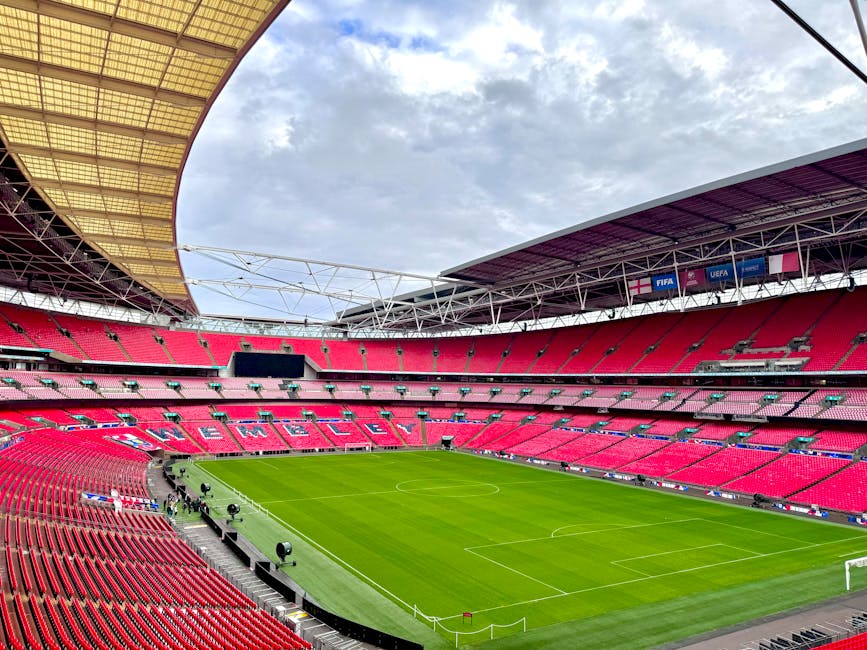
Gardeners near Tottenham Hotspur Stadium match day care: practical local support for event days, busy streets and spotless gardens
Match day near Tottenham Hotspur Stadium changes everything. Streets get busier, footfall rises, parking gets tighter, and even a small front garden can take on a lot more wear than usual. If you need Gardeners near Tottenham Hotspur Stadium match day care, the goal is simple: keep the outside of your property calm, tidy and safe before, during and after the crowds roll through. That might mean a quick lawn cut, a hedge tidy, a leaf sweep, or a smarter plan for keeping beds and paths looking presentable when the neighbourhood is at full tilt.
This guide explains how match day garden care works in real life, who it helps, what to prioritise, and the mistakes that usually cause headaches. It also shows how to choose the right level of support without overpaying for work you do not actually need. To be fair, around the stadium the little details matter more than people expect.
Table of Contents
- Why it matters
- How it works
- Key benefits and practical advantages
- Who this is for and when it makes sense
- Step-by-step guidance
- Expert tips for better results
- Common mistakes to avoid
- Tools, resources and recommendations
- Law, compliance, standards, or best practice
- Options, methods, or comparison table
- Case study or real-world example
- Practical checklist
- Conclusion
- Frequently asked questions
Why Gardeners near Tottenham Hotspur Stadium match day care Matters
On a normal weekday, a garden can get away with looking a bit relaxed. On a stadium match day, not so much. The area around the ground is busier, noisier, and far less forgiving of untidy borders, overhanging hedges, muddy paths, or bins and garden waste left in view. If you host guests, run a rental, manage a small commercial frontage, or simply want your home to look cared for, match day timing matters.
There is also a practical side. More people nearby can mean more pressure on shared access, side paths, driveways and front approaches. Wet weather makes it worse. A few scattered leaves on paving can suddenly become a slip risk. A hedge that was merely "a bit shaggy" on Friday can feel like it is crowding the whole pavement by Saturday afternoon. That is the kind of thing you notice only once people are already walking past.
Good match day care is not about perfection. It is about control. A neat cut lawn, trimmed edges, clear access and tidy waste handling all reduce stress. The garden feels intentional rather than neglected. That does a lot for curb appeal, and honestly, it gives you one less thing to worry about when everything else nearby is in motion.
How Gardeners near Tottenham Hotspur Stadium match day care Works
Match day garden care usually starts with a short assessment. A gardener looks at the parts of the property that are visible or vulnerable: front garden, side return, path edges, hedge line, lawn, steps, decking, and anywhere litter or mud is likely to show up. From there, the work is timed around the event schedule so the garden is prepared before visitors arrive or cleaned up after the rush has gone.
In practice, the service can be as light-touch or as detailed as needed. For some properties it is a one-off tidy-up the day before kickoff. For others, it is part of an ongoing garden maintenance routine with extra attention before big fixtures. If the outside space has become overgrown or cluttered, a broader reset using garden clearance may be the smarter first step.
Typical match day care tasks include:
- lawn mowing and edging
- hedge trimming and height control
- sweeping paths, steps and driveways
- removing fallen leaves, twigs and loose debris
- checking for trip hazards near entrances
- tidying visible planting beds and borders
- bagging and removing green waste responsibly
Some jobs are best done early in the week, some the morning before the match. Timing matters because a fresh cut on a lawn is nice, but if the weather turns or heavy foot traffic is expected, you may want to avoid leaving damp clippings around. That sort of judgement comes with experience.
Key Benefits and Practical Advantages
The biggest benefit is obvious: the property looks better. But there is more to it than appearance. A well-kept garden around match day can support safety, access, neighbour relations and even your own peace of mind. When the streets are packed and parking is awkward, the last thing you need is to be stepping over clippings or trying to drag a wheelie bin past an overgrown hedge.
Here are the most practical advantages.
- Cleaner first impressions: useful for homes, rental lets, hospitality spaces and small businesses.
- Better access: clear paths and gates make entry easier for visitors, suppliers and residents.
- Reduced trip and slip hazards: especially important in wet London weather.
- Less last-minute panic: a calm plan beats a frantic sweep before guests arrive.
- More manageable post-match recovery: tidier spaces are easier to reset after crowds disperse.
- Lower visual clutter: overgrowth, weeds and waste stand out more when the area is already busy.
There is also an emotional benefit, which people often underestimate. A neat front garden can make a whole day feel easier. You open the door, see order, and your shoulders drop a bit. Small thing, but real.
Who This Is For and When It Makes Sense
Match day care is not only for large properties or obvious corner plots. In and around the stadium, even modest gardens can be highly visible because of foot traffic, side access routes and the general flow of people on event days. If your outdoor space faces the street, sits near a route to the stadium, or gets used by guests, it can benefit from timed maintenance.
This service makes sense for:
- Homeowners who want the front of the property to stay tidy and presentable.
- Landlords preparing a property for short lets, guests or inspection.
- Hospitality venues with visible frontage or planted areas.
- Retail and office premises that need clean access and a professional exterior.
- Property managers balancing multiple sites before busy event weekends.
It is especially useful if you already know your garden tends to suffer when things get busy. Maybe visitors cut across the grass. Maybe leaves gather in one stubborn corner. Maybe the hedge seems to grow faster every time there is a big game. It happens.
If the issue is not just presentation but broader external upkeep, the service can be paired with lawn mowing, hedge trimming or even landscaping if you want a longer-term fix rather than a quick tidy.
Step-by-Step Guidance
If you are planning match day garden care for the first time, keep it straightforward. You do not need a giant operations manual. You do need a sensible sequence.
- Walk the property as a visitor would. Start at the pavement, front gate or parking point. Notice what stands out first.
- Identify the visible zones. Match day care is usually most valuable in front-facing and access areas, not hidden corners.
- Choose the priority tasks. For example, mow the lawn, trim the hedge line, clear the path, and remove waste.
- Set the timing. Aim to finish before heavy footfall starts, or book a reset soon after the event if debris is the main issue.
- Plan waste removal. Green waste, bags and cuttings should not be left where they block access or spoil the look.
- Check the final view from the street. Stand back. It sounds basic, but it works.
- Build a repeat pattern. If match days are frequent, create a recurring maintenance rhythm rather than starting from scratch each time.
One useful rule: if a task helps both appearance and access, it is probably a priority. If it only helps a secluded corner that nobody sees or uses, it can usually wait. No need to make life harder than it needs to be.
Expert Tips for Better Results
In our experience, the best match day results come from restraint, not overdoing things. A garden that has been cut too hard the day before a crowd arrives can look bare and stressed. A hedge chopped back too far can expose messy fencing or leave a harsh outline. The aim is tidy, balanced, and resilient.
Tip 1: Work backwards from the event time. If people will arrive early, finish the visible tasks the day before, not in the last hour.
Tip 2: Focus on edges. Crisp lawn edges, clean paving lines and defined borders often make more visual difference than a major overhaul. It is the frame around the picture.
Tip 3: Keep wet-weather risk in mind. Tottenham weather, like London weather generally, has a habit of changing its mind. A path that looks fine in the morning can become slippery by evening.
Tip 4: Do not ignore the side return. Even if guests do not enter that way, it often becomes the dumping ground for bins, tools or stray leaves. Not ideal.
Tip 5: Use a light seasonal approach. Summer match days may call for mowing and watering awareness; autumn days may need leaf control and gutter-adjacent tidy-ups.
If your outside area includes timber features, such as seating or steps, a conversation about decking services may be worthwhile, especially where slippery surfaces or worn boards become an issue before busy weekends.
Expert summary: Match day garden care works best when it is planned, not rushed. The cleanest-looking properties are usually the ones where the basics were done early, the waste was cleared properly, and the visible edges were given proper attention.
Common Mistakes to Avoid
There are a few patterns that come up again and again. Most are easy to fix once you know what to look for.
- Leaving the work too late: a last-minute trim often looks obvious, and sometimes messy.
- Focusing only on the lawn: paths, gates, hedges and borders matter just as much.
- Ignoring waste disposal: tidy cutting is only half the job if bags are left sitting out.
- Cutting too aggressively: over-pruning can make a garden look thin or stressed.
- Forgetting access routes: side paths, steps and rear entries can become pinch points.
- Not thinking about damp conditions: clippings, moss and wet leaves can create a slip risk.
And here is a sneaky one: people sometimes tidy the obvious bit and forget to check the view from the street. Then they wonder why the place still feels untidy. The answer is usually sitting at knee height, along the edge of the path, or just out of frame. Annoying, but true.
Tools, Resources and Recommendations
A good gardener uses tools that suit the job, but the homeowner does not need a van full of kit to keep things under control between visits. For match day care, the useful items are usually the simple ones.
- Grass trimmer or edging tool: for neatening borders and hard edges.
- Leaf rake and stiff broom: good for paths, steps and small paved areas.
- Hand pruners or shears: for light hedge touches and deadheading.
- Wheelbarrow or garden bags: for efficient waste movement.
- Gloves and non-slip footwear: sensible when surfaces are damp.
- Pressure washer, used carefully: useful for some paving, though not every surface needs it and overuse can cause more problems than it solves.
For longer-term planning, it helps to keep an eye on the whole outdoor space rather than one part at a time. If overgrowth, access issues and low-level clutter keep returning, the issue may be structural. In that case, broader landscape gardening or practical services overview thinking may save money in the long run.
For sustainability-minded households, a sensible waste-handling approach matters too. The team's recycling and sustainability approach is worth considering if you want green waste managed with less unnecessary disposal.
Law, Compliance, Standards, or Best Practice
Garden care around a busy venue area is mostly about best practice and common sense, but there are a few wider responsibilities worth keeping in mind. If your property borders a public path, road or shared access point, you should avoid letting plants obstruct passage or create obvious hazards. That is just good neighbourly practice, and in many cases a basic safety expectation too.
For work at height, tree or large hedge cutting, or anything involving ladders and unstable ground, it is sensible to use a provider who treats safety properly. Insurance, risk awareness and methodical work matter. A gardener should not be guessing their way through heavy pruning near a busy footpath. Nobody wants that.
If you are choosing a provider, look for clear communication about safety, waste handling, payment security and complaints handling. Helpful pages such as insurance and safety, health and safety policy, payment and security and complaints procedure signal that the business thinks beyond the quick job.
There is no need to overstate legal detail here. But if your garden work affects public access, visibility or slip risk, it is wise to treat it seriously and not just as a cosmetic task.
Options, Methods, or Comparison Table
Different properties need different levels of support. Sometimes you only need a pre-match tidy. Sometimes you need a repeat plan. Sometimes the garden needs a proper reset first.
| Approach | Best for | What it typically includes | When to choose it |
|---|---|---|---|
| Light match day tidy | Well-kept gardens that just need a polish | Sweeping, edging, minor pruning, debris removal | Before a one-off event or busy weekend |
| Recurring maintenance | Homes and premises near regular fixtures | Mowing, hedge work, seasonal tidy-ups, waste removal | When the garden needs steady control over time |
| Clearance first, then upkeep | Overgrown or cluttered spaces | Full clearance, then regular maintenance | When the garden has fallen behind and needs a reset |
| Broader landscaping plan | Problem areas or high-traffic frontages | Layout changes, surfaces, planting structure, access improvements | When the current setup creates repeated issues |
If you are unsure which route fits, start small. A tidy can reveal whether the real problem is maintenance frequency or something deeper in the garden layout. Often it is a bit of both.
Case Study or Real-World Example
Picture a typical terraced property a short walk from the stadium. The front garden is narrow, the hedge has grown slightly beyond the boundary line, and the path picks up leaves every time the weather turns. On a quiet week, it looks manageable. On a match day, it suddenly feels like every passer-by is looking right at it.
The homeowner books a pre-match visit. The gardener trims the hedge back neatly, edges the small lawn, clears the paving, and removes a few bags of clippings. The work takes less time than a full overhaul because the garden is mostly in decent shape already. The real difference is in the finish: the entrance feels open, the path looks safe, and the frontage reads as cared for rather than rushed.
A week later, the same property has another event nearby. Because the first visit established a simple routine, the second one is even easier. A quick tidy, a light sweep, job done. That is the quiet value of match day care. Not flashy. Just effective.
Practical Checklist
Use this checklist if you want to prepare a garden near the stadium for a busy day without missing the obvious bits.
- Check the front view from pavement level
- Mow or edge the lawn if it is visible and due
- Trim any hedge or shrub that overhangs access routes
- Sweep paths, steps and driveways
- Remove fallen leaves, twigs and loose debris
- Store bins, tools and loose items out of sight
- Make sure gates and entrances open freely
- Look for wet patches or slippery surfaces
- Bag waste and arrange prompt removal
- Do a final walk-through an hour before guests or foot traffic is expected
One simple habit helps a lot: stand at the entrance and look back at your property. It is a quick way to spot what other people will notice first. Strange how often that works.
Conclusion
Gardeners near Tottenham Hotspur Stadium match day care is really about calm, timing and presentation. It helps keep outside spaces safe, tidy and ready for the extra pressure that event days bring. Whether you need a quick pre-match tidy, a repeat maintenance routine, or a larger reset first, the right approach is the one that fits the property and the rhythm of the area.
When the stadium is buzzing and the streets are full, a well-kept garden gives you a welcome pocket of order. And sometimes that is exactly what you need.
Get a free quote today and see how much you can save.
Frequently Asked Questions
What does match day garden care involve?
It usually means preparing or restoring the visible parts of a garden around a busy event day. That can include mowing, hedge trimming, sweeping paths, clearing debris and removing green waste so the property looks tidy and stays easy to access.
How far in advance should I book gardeners near Tottenham Hotspur Stadium for match day care?
If the date is fixed, booking a few days ahead is sensible. For fast-growing hedges or larger tidy-ups, earlier is better. The ideal timing depends on the size of the garden and how much foot traffic you expect.
Is this service only for homeowners?
No. It can help landlords, property managers, shops, offices, hospitality venues and anyone whose frontage or access area is likely to be seen by more people on match days.
Do I need a full garden clearance before match day?
Not always. If the garden is already in decent shape, a targeted tidy may be enough. If it has become overgrown or cluttered, then garden clearance first can make ongoing maintenance much easier.
What tasks make the biggest visual difference?
Clean edges, a cut lawn, swept paths and trimmed overgrowth tend to create the biggest change for the least effort. People often notice the entrance and boundary line before anything else.
Can gardeners help with slippery paths or wet leaves?
Yes, a good match day tidy should include leaf removal and surface clearing where needed. That is especially useful in damp weather, when paths and steps can become less forgiving.
Is hedge trimming important for event days?
Very often, yes. A hedge that spills onto a path or makes the frontage feel cramped can be a problem when the area is busy. Even a light trim can make access feel much easier.
How do I know whether I need landscaping instead of basic maintenance?
If the same problems keep coming back, such as poor access, awkward layouts or hard-to-maintain borders, then the garden may need a more structural fix. In that case, landscaping or landscape gardening may be the better long-term option.
What should I ask before hiring a gardener for match day work?
Ask what is included, when the work will be done, how waste is handled, what safety measures are used and whether they can adapt the visit around the fixture timing. Clear answers are a good sign.
How do I keep the garden tidy between visits?
Small habits help: sweep regularly, keep paths clear, trim lightly before growth gets away from you, and avoid leaving tools or bags where they are visible from the street. Little and often is usually the easiest way.
Are there extra safety considerations near a stadium area?
Yes, mainly around access, visibility and slip risk. A busy day puts more pressure on entrances and paths, so it makes sense to keep surfaces clear and to use insured, careful gardeners for anything more demanding.
Where can I read more about the service range and company policies?
You can look through the site's services overview and related information on about us, terms and conditions and privacy policy for more context before you decide.