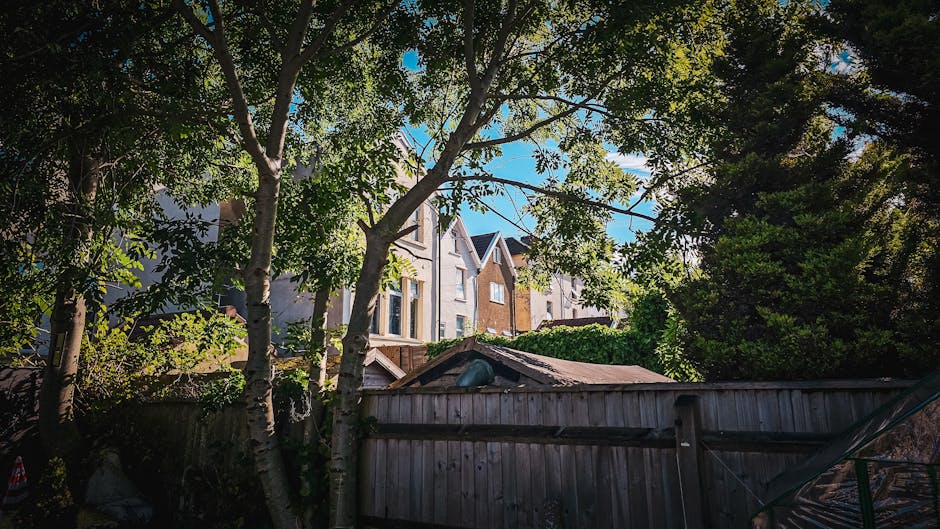
Tottenham Hale gardeners rates and local tips: what to expect, what to ask, and how to avoid overpaying
If you are trying to make sense of Tottenham Hale gardeners rates and local tips, you are probably in one of two places: the garden has quietly got out of hand, or you want to keep it under control before it gets there. Either way, the tricky bit is not just finding a gardener. It is working out what fair pricing looks like, what actually affects the cost, and which local details can save you time, hassle, and money.
Tottenham Hale has its own rhythm. Small front gardens, tucked-away courtyards, shared access, newer developments, older terraces with awkward side returns, and the occasional "it looked fine in April" lawn that is now knee-high. Rates can vary a lot because the job itself varies a lot. This guide breaks down the usual pricing logic, the local factors that matter, and the practical tips that help you get better results without paying for fluff.
For a broader view of what a professional team can cover, it helps to start with the site's services overview and then match the service to the actual condition of your space.
Table of Contents
- Why Tottenham Hale gardeners rates and local tips matter
- How pricing and local service work
- Key benefits and practical advantages
- Who this is for and when it makes sense
- Step-by-step guidance
- Expert tips for better results
- Common mistakes to avoid
- Tools, resources and recommendations
- Law, compliance, standards and best practice
- Options, methods, and comparison table
- Case study or real-world example
- Practical checklist
- Conclusion
- Frequently asked questions
Why Tottenham Hale gardeners rates and local tips Matters
Garden maintenance looks simple from the pavement. A bit of mowing, a hedge trim, maybe some weeding. But once you get into it, the pricing starts to reflect all the unglamorous details: access, waste removal, overgrowth, season, parking, the size of the job, and whether the work is one-off or ongoing.
That is why local tips matter so much. In Tottenham Hale, a gardener might be dealing with a compact back garden behind a flat, a narrow shared passage, or a plot where equipment has to be carried in by hand. That adds time. And time, as you would expect, affects rates.
There is also the local lifestyle factor. Some people want a one-off tidy-up before selling or hosting. Others need regular maintenance because life is busy and the garden keeps getting away from them. To be fair, that is most of us at some point. The right approach saves money because you are not paying for emergency-level work every time the weeds get ambitious.
If you are comparing providers, it is also worth reading about the company itself and how they operate. A good place to start is the about us page, which should give you a feel for the team, their approach, and whether they sound like people you would be comfortable letting through the side gate on a rainy Tuesday morning.
How Tottenham Hale gardeners rates and local tips Works
Most gardeners price work in one of a few common ways: hourly, by visit, by task, or as a regular maintenance schedule. The exact structure depends on the job and how predictable it is. A simple lawn cut with light edging is easier to price than a garden clearance where nobody quite knows what is under the brambles.
In practical terms, a quote usually reflects the following:
- Garden size - small courtyard, average family garden, or a larger landscaped space.
- Condition - tidy maintenance work costs less than a heavily overgrown clearance.
- Type of work - mowing, hedge trimming, pruning, clearance, landscaping, or ongoing maintenance.
- Access - easy rear access usually keeps costs down, while awkward access can add time.
- Waste handling - green waste, branches, and bulky material may need bagging, loading, or disposal.
- Tools and labour - some jobs need specialist tools, extra staff, or more physical effort.
- Frequency - regular visits often work out better value than ad hoc rescue jobs.
Local tips come in because Tottenham Hale is not a one-size-fits-all area. A narrow alleyway, communal bin store, or restricted parking window can shape how the work is done. If your gardener knows the area well, they can plan around those realities instead of discovering them halfway through the job. That matters more than people think.
If you need a better idea of how services are grouped and what tends to sit together, the garden maintenance page is useful for understanding routine care, while lawn mowing is a sensible reference point for smaller, repeat jobs.
Typical pricing logic without the guesswork
It is better to think in terms of price drivers than fixed numbers. Why? Because the same "small garden tidy" can take forty minutes one week and three hours the next if the borders have gone wild. A fair quote should feel explained, not mysterious.
Good quotes usually answer these questions:
- What exactly is included?
- Is waste removal included or extra?
- Is the quote for one visit or ongoing work?
- Are materials, fuel, or disposal charges separate?
- What happens if the gardener finds more work than expected?
A slightly old-fashioned but very effective tip: ask the gardener to walk the garden before pricing. You will notice the difference straight away. The quote tends to be clearer, and the surprises tend to be fewer. Lovely, really.
Key Benefits and Practical Advantages
Understanding rates is not just about saving money. It helps you buy the right kind of help, which is a much better outcome. If you know what you are paying for, you are less likely to under-spec the job and end up paying twice.
Here are the main benefits of approaching gardener pricing properly:
- Better value - you pay for the work you actually need, not vague extras.
- More realistic expectations - you understand why one quote is higher than another.
- Cleaner results - a clear brief leads to better execution.
- Less disruption - especially useful in homes with limited access or shared outdoor space.
- Safer work planning - some jobs, such as tree work or steep or unstable areas, need more care.
There is also a psychological benefit, if that does not sound too grand. Gardens have a way of making people feel guilty. A sensible maintenance plan breaks that cycle. Instead of staring at the jungle through the kitchen window and sighing, you are back in a manageable rhythm.
If your job involves more than a routine tidy, the service pages for hedge trimming, garden clearance, or even landscaping can help you decide which type of work is most appropriate.
Who This Is For and When It Makes Sense
This topic matters to a surprisingly wide group of people. You might be a homeowner who wants to keep the front garden neat. You might rent a property and need the outside space back under control. You might manage a small block or shared courtyard and need regular, reliable maintenance. Or you may simply be fed up with spending every Saturday fighting dock leaves and ivy.
It usually makes sense to book a gardener when:
- the garden is growing faster than you can manage
- you need a one-off tidy-up before a move, event, or inspection
- the lawn has become patchy or overlong
- hedges need shaping before they become a nuisance
- there is clearance work after a long period of neglect
- you want regular visits instead of last-minute panic jobs
To be fair, some people wait too long. Then the job shifts from maintenance to recovery, and recovery work always costs more because it takes more time and usually more waste handling. If that sounds familiar, you are not alone. Happens all the time.
For larger or more complex properties, it may help to compare a basic upkeep plan with more involved landscape gardening or tree lopping and removal where appropriate. Not every outdoor issue is a mowing issue, after all.
Step-by-Step Guidance
If you want a straightforward way to handle gardener rates and local planning, this is the process I would use.
- Define the job clearly. Write down what you want done. Mow lawn, clear beds, trim hedges, remove cuttings, reshape borders, and so on.
- Separate must-have work from nice-to-have work. That helps you stay within budget if the quote is higher than expected.
- Measure or describe the space honestly. "Small back garden" is better than "not massive" if you want a useful quote.
- Check access and waste issues. Note side access, parking restrictions, stairs, shared entrances, or limited storage for tools.
- Ask what is included. Labour, waste, materials, and return visits can all change the final price.
- Compare like for like. Two quotes only make sense if they cover the same scope.
- Choose a schedule. Weekly, fortnightly, monthly, or seasonal. Regular care often works out more economical.
- Review after the first visit. The first appointment tells you a lot about pace, communication, and standards.
A little local tip: if your garden catches a lot of leaf fall in autumn or gets full sun in summer, timing matters. A visit that feels "expensive" in April may actually be good value in October because the work volume is completely different. The calendar has a say here.
When you are ready to move from planning to booking, it is sensible to review the pricing and quotes information so you know how estimates are structured and what details are worth supplying up front.
Expert Tips for Better Results
The best way to keep gardener rates under control is not to chase the cheapest option. It is to reduce uncertainty. That sounds boring, but it works.
- Bundle related jobs together. If the gardener is already on site, it is often more efficient to do mowing, edging, hedge trimming, and light weeding in one visit.
- Clear access before the appointment. Move bins, toys, bikes, hosepipes, and anything that gets in the way. Sounds obvious. It often isn't.
- Be honest about the state of the garden. "A bit overgrown" can mean very different things to different people.
- Ask for maintenance advice after the first cut or trim. A good gardener can tell you what is likely to keep recurring.
- Use the right seasonal timing. In spring and early summer, growth can be brisk. In winter, some jobs slow down or become less urgent.
One small but useful local habit: keep a running note on your phone of what the garden needs next. It saves a lot of mental back-and-forth. By the time a gardener comes round, you have a tidy brief instead of vague half-memories and a hedge that has developed opinions.
If sustainability matters to you, ask about green waste handling and material reuse. You can also look at the site's recycling and sustainability approach to see how waste and resource choices are treated. It is a practical detail, not a fancy extra.
Common Mistakes to Avoid
Let's face it, most bad experiences with garden services come from muddled expectations rather than bad work. The biggest mistakes are usually quite ordinary.
- Comparing quotes without checking the scope. One quote may include waste removal while another does not.
- Booking a maintenance job when the garden really needs clearance. Those are not the same thing.
- Ignoring access complications. Narrow side passages, locked gates, and long carries all take time.
- Not asking what happens with cuttings and debris. A garden can look neat and still leave you with a heap of waste.
- Assuming every gardener does every task. Some are better at routine maintenance, others at landscaping or heavier outdoor work.
- Leaving decisions until the job starts. That is when costs tend to rise and the mood goes a bit weird.
Another common slip is going for a one-off clear-out and then letting the space drift back into chaos. No judgement. But a light regular schedule often costs less over time than repeatedly rescuing an overgrown garden. It is one of those annoying truths.
Tools, Resources and Recommendations
You do not need a shed full of professional kit to make smart decisions. A few simple tools and habits help a lot.
- Phone photos - take wide shots of the garden from each angle before asking for a quote.
- Basic measurements - rough length and width help more than people expect.
- A short written list - note priorities, such as mowing first or hedge trimming first.
- A calendar reminder - seasonal jobs are easier when you plan them ahead of time.
- Clear waste bags or a compost plan - useful if you are doing part of the work yourself.
For related services, it can help to compare your needs against the site's dedicated pages. If the main issue is a lawn that has got away from you, the lawn mowing page is relevant. If shrubs are blocking paths or windows, hedge trimming may be the better fit. If the whole space needs a reset, garden clearance is the more honest starting point.
And yes, sometimes the best resource is simply a calm conversation before the work begins. A quick walk-through beats a long apology afterwards. Every time.
Law, Compliance, Standards, or Best Practice
Garden work is not usually as formal as building work, but there are still standards and responsibilities worth keeping in mind. Good gardeners should work safely, treat property with care, and be clear about what they are doing. If they are handling trees, heavy tools, or waste, the bar for good practice rises further.
In the UK, you should expect sensible attention to:
- Safety - tools used properly, walkways kept clear, and risks managed before work starts.
- Insurance - especially important for work that involves ladders, power tools, or property access.
- Waste handling - cuttings and removed material should be handled responsibly.
- Clear terms - scope, payment expectations, and any exclusions should be understandable.
- Respect for neighbours and shared areas - particularly relevant in tighter Tottenham Hale streets and developments.
If you want more detail on how a provider approaches these topics, the pages on health and safety policy and insurance and safety are worth reviewing. They are not thrilling reading, granted, but they do tell you whether the business takes its responsibilities seriously.
Best practice also means being careful around tree work and structural features. Decking, fencing, and raised beds can hide trip hazards or rot. If the garden has timber features that need attention, the decking services page may be relevant, especially if slipping or decay has become part of the picture.
Options, Methods, or Comparison Table
Different garden jobs suit different pricing and service styles. The table below gives a practical comparison, not a rigid rulebook. Real quotes will vary depending on condition and access.
| Service type | Best for | Typical pricing style | What to check before booking |
|---|---|---|---|
| Routine maintenance | Ongoing tidy gardens that need regular care | Hourly or scheduled visit | Frequency, what is included, and waste handling |
| Lawn mowing | Simple repeat lawn care | Per visit or recurring plan | Grass height, edging, and access |
| Hedge trimming | Shape control, visibility, and boundary management | Per hedge or by time | Height, thickness, and disposal of cuttings |
| Garden clearance | Overgrown, neglected, or move-out jobs | Quoted per job | Volume of waste, access, and labour required |
| Landscaping | Changes to layout, surfaces, or planting structure | Project quote | Materials, design, and timescale |
| Tree lopping and removal | Overhanging, unsafe, or obstructive trees | Quoted per task | Safety requirements, access, and disposal |
If you are unsure where your job sits, start with the simplest description that matches reality. A garden that needs mowing and some light tidy-up is not automatically a clearance job. On the other hand, a garden full of bramble, dead growth, and hidden debris is not a routine visit either. Naming it properly matters.
Case Study or Real-World Example
Imagine a two-bedroom flat in Tottenham Hale with a small rear garden, a narrow side path, and a lawn that has not been cut for six weeks because the weather kept changing and life got in the way. Very normal. The owner wants the space ready for a weekend gathering and has no interest in doing it all themselves.
At first glance, the request sounds simple: mow the lawn, trim the edges, remove some weeds, and tidy the borders. But once the gardener arrives, a few practical issues appear. The grass is longer than expected, the bin store blocks easy waste movement, and the hedge has started to lean into the path. So the job becomes a little more involved than the original quick fix idea.
A sensible gardener would probably explain the options clearly: complete the mow and trim now, add hedge work if time allows, or split the garden into a maintenance visit today and a follow-up tidy next time. That keeps costs controllable and avoids a rushed finish. In real life, that second option often wins because it is honest and manageable.
What does the homeowner learn? Mostly this: better descriptions lead to better pricing. A few photos, a clear list, and a realistic timeline reduce friction. And the garden ends up looking like a place you want to sit in, which is the whole point really.
Practical Checklist
Use this before you request or accept a gardener's quote in Tottenham Hale.
- Know whether you need maintenance, clearance, landscaping, or one specific task.
- Take photos of the garden from different angles.
- Note any narrow access, parking limits, or shared entry points.
- List the priority jobs in order.
- Ask whether waste removal is included.
- Check whether the quote is one-off or recurring.
- Confirm how the gardener handles unexpected extra work.
- Review safety, insurance, and terms if the work is more involved.
- Decide whether you want a single visit or a maintenance plan.
- Keep a note of what was done so the next visit is easier to plan.
If you want to sense-check the business side before booking, the pages on payment and security and terms and conditions can help you understand the process and avoid awkward surprises later on.
Conclusion
Tottenham Hale gardeners rates are easier to understand when you look at the real drivers behind them: access, scope, condition, frequency, and waste. Once you see those pieces clearly, quotes stop feeling random. That alone is a relief.
The local tips matter too. Tottenham Hale gardens often come with practical quirks that change how the work is planned and priced. A good local gardener will notice those details quickly and give you a quote that reflects the actual job, not a guess. That is what you want: clear, fair, and workable.
So if you are weighing up a tidy-up, a regular visit, or a bigger outdoor project, start with a clear brief, ask the right questions, and choose the service that matches the job. Simple enough, though not always easy. Still, once the garden is back under control, the whole home feels calmer.
Get a free quote today and see how much you can save.
Frequently Asked Questions
How are Tottenham Hale gardeners rates usually calculated?
They are usually based on the size and condition of the garden, the amount of labour needed, access, waste removal, and whether the work is a one-off or regular visit. A tidy lawn is priced differently from a full clearance.
Is it cheaper to book regular garden maintenance than one-off visits?
Often, yes. Regular maintenance usually prevents the garden from getting badly overgrown, which means less labour and less waste each time. It is not always cheaper on every single visit, but it usually saves money over time.
What local factors can affect a gardener's quote in Tottenham Hale?
Shared access, narrow side paths, parking restrictions, carry distance, and the type of housing all play a part. In a busy area, those small details can add time and therefore cost.
Should I choose garden clearance or garden maintenance?
If the space is overgrown, cluttered, or neglected, clearance is usually the better starting point. If the garden is already manageable and just needs ongoing care, maintenance is the better fit.
Do gardeners charge more for hedge trimming?
They can, especially if the hedge is tall, thick, or awkward to reach. Disposal of cuttings can also affect the price. A neat little hedge is one thing; a towering green wall is another.
What should I tell a gardener before asking for a quote?
Tell them the garden size, what needs doing, how often you want it maintained, and whether there are access issues. Photos help a lot. Honest details usually lead to better quotes.
Does waste removal matter in the price?
Very much so. Bagging, loading, and disposing of green waste takes time and may be included separately. Always ask whether waste removal is part of the quote.
How do I compare two quotes properly?
Make sure they cover the same scope. One quote might include waste and edging while another only covers mowing. Comparing different jobs is a common mistake and a frustrating one.
What is the best time of year to book garden work?
It depends on the task. Spring and summer are busy for regular growth control, while autumn can bring extra leaf fall and clearance needs. If the job is seasonal, booking a little ahead is usually wise.
Are there safety or insurance checks I should ask about?
Yes. For heavier work, especially anything involving ladders, tools, trees, or tricky access, it is sensible to ask about safety procedures and insurance. A reputable provider should be comfortable discussing both.
Can I save money by doing part of the work myself?
Sometimes. Clearing access, moving light items, or bagging small debris can reduce the time needed on site. Just do not take on anything risky or leave the gardener with a half-finished, half-hidden mess.
What if my garden is worse than I expected?
That happens. A proper quote should be able to adapt once the gardener sees the space in person. In some cases, it is better to split the work into stages rather than try to fix everything in one go.
For more detail on service options, the team's services overview is a sensible place to revisit if you are still deciding what kind of help your garden actually needs.