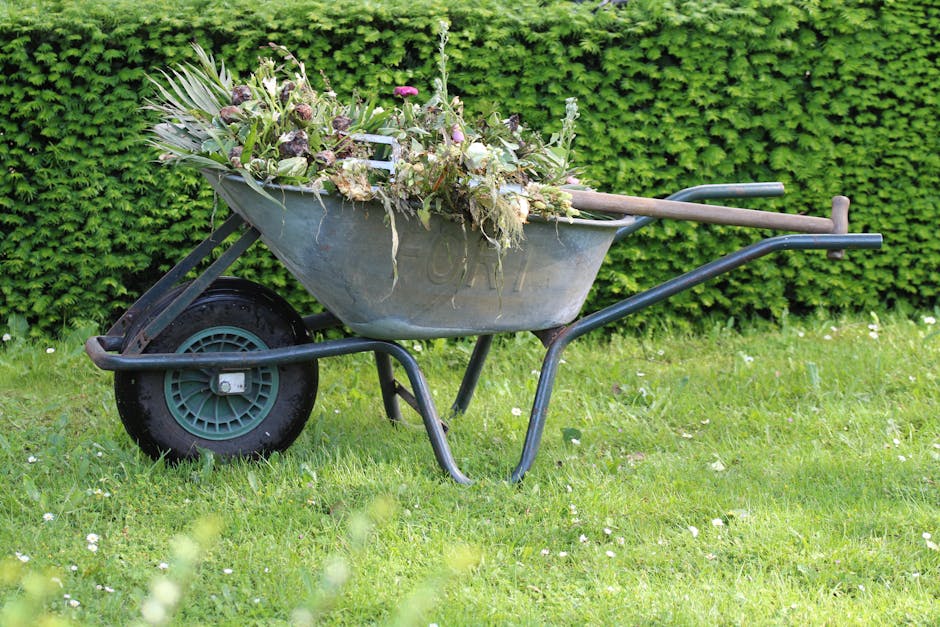
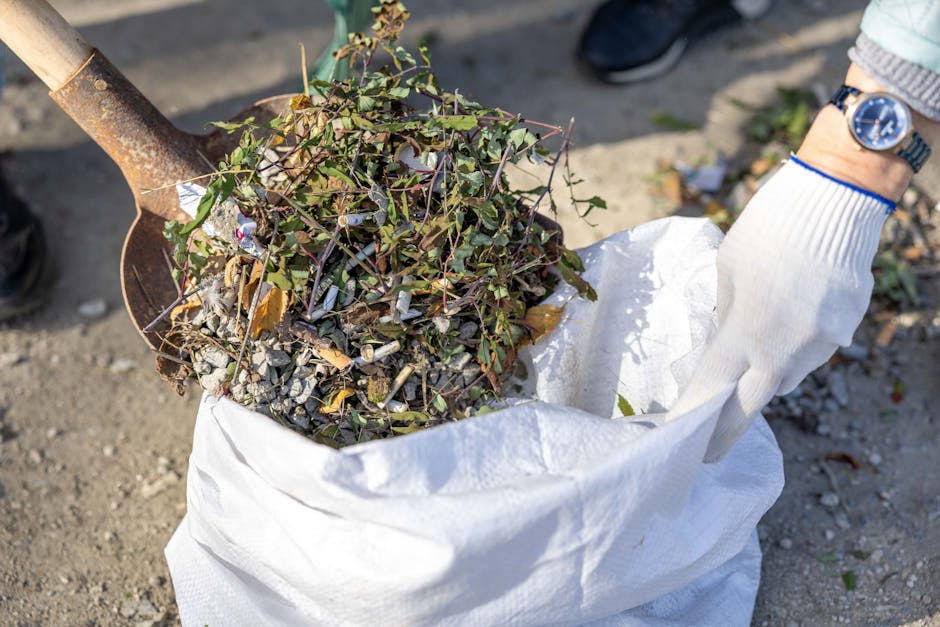
What to know about urgent garden clearance in Tottenham
If you need urgent garden clearance in Tottenham, you are usually dealing with more than an untidy outdoor space. Maybe the garden has been left to run wild, maybe you have a property coming on the market, or maybe you just need the area made safe and usable again, quickly. Either way, speed matters, but so does doing the job properly. Rushing the wrong parts can leave you with missed waste, safety issues, or a second visit you did not need.
This guide explains what urgent clearance actually involves, how the process usually works in Tottenham, what affects the timeline, and where people often get caught out. It also covers sensible next steps, practical checks, and the kind of detail that helps you make a good decision on a tight schedule. Let's face it, when a garden has gone from "a bit overgrown" to "we need this sorted now", you want straight answers, not fluff.
Why urgent garden clearance in Tottenham matters
An urgent clearance is not just about appearance. In many real situations, an overgrown garden becomes a practical problem very quickly. Paths get blocked. Hidden rubbish attracts pests. Wet leaves, broken branches, and unstable stacks of cuttings can create slipping or trip risks. If children, pets, neighbours, tenants, or contractors need access, delay can turn a nuisance into a genuine hassle.
In Tottenham, this often comes up around rental changes, pre-sale tidy-ups, end-of-tenancy work, and gardens that have simply been ignored for too long. Urban gardens also tend to collect awkward waste faster than people expect: broken pots, windblown branches, builder's leftovers, old fence panels, or a hedge that has quietly doubled in size while nobody was looking. One rainy week and suddenly it all feels bigger.
There is another reason it matters: once a garden starts to deteriorate, the job usually becomes more expensive and more time-sensitive. The longer brambles, weeds, saplings, and waste stay put, the more labour is needed to cut, bag, sort, and remove everything safely. A prompt clearance can stop that slide.
Expert summary: urgent garden clearance works best when it is treated as a safety and logistics task, not just a tidy-up. The fastest results usually come from clear access, a realistic scope, and a team that can remove waste efficiently in one coordinated visit.
How urgent garden clearance in Tottenham works
Most urgent garden clearances follow a similar pattern, even if the garden itself is a complete state. First comes the initial assessment. This may be done from photos, a phone call, or a short site visit. The point is to understand the size of the job, how much waste is involved, whether there are access issues, and if any materials need extra care.
After that, the work is usually planned around what must be removed first. A typical urgent job may include overgrown grass cutting, bramble and weed removal, hedge reduction, branch clearing, bagging, and waste loading. If the site also needs minor reshaping, a service such as garden maintenance may be suggested after the clearance, because a garden that has been cut back hard often needs follow-up care to stay manageable.
When trees or larger woody growth are involved, the job can become more complex. In those cases, a specialist service such as tree lopping and removal may be relevant, especially if there are low branches, unsafe limbs, or access restrictions. That is not something to guess at on the day. Better to be realistic upfront.
The practical sequence is usually simple:
- Assess the condition and access.
- Confirm what needs removing and what should stay.
- Cut back overgrowth and make safe working areas.
- Collect, sort, and load waste.
- Sweep and clear the site so it is usable again.
Some clearances can be completed in a few hours. Others need a full day or more, especially where a garden contains layered waste, thick vegetation, or a lot of mixed material. The honest answer? It depends on how tangled things are, and gardens do love hiding surprises.
Key benefits and practical advantages
The biggest benefit of a fast clearance is simple: you get control back. A garden that looked overwhelming on Monday can often become usable, accessible, and far less stressful by the end of the job. That alone can make a huge difference if you are dealing with a move, a tenant handover, or a family property that has been neglected for a while.
There are some less obvious gains too:
- Safer access for people walking through the garden or using side passages.
- Better presentation if you are selling or letting a property.
- Reduced pest and damp concerns where waste and dense vegetation have been sitting too long.
- Easier follow-on work such as hedge trimming, lawn mowing, or landscaping.
- Less stress when the job is handled by people who can actually shift the material, not just cut it down and leave a mountain behind.
There is also a practical planning advantage. Once the space is cleared, it becomes much easier to see what the garden needs next. Maybe it is only a tidy, maybe it needs a full redesign, or maybe the better option is a simple, sustainable upkeep plan. If that is the case, checking the wider services overview can help you see how clearance fits with longer-term garden care.
Who this is for and when it makes sense
Urgent garden clearance in Tottenham makes sense for a wide range of people, and it is not only for seriously neglected spaces. In fact, some of the most common requests are quite ordinary and time-bound.
You may need it if:
- a tenancy has ended and the garden must be brought back to a workable condition;
- you are preparing a sale and want the outdoor space to look cared for;
- an overgrown garden is blocking use of the patio, bins, gate, or side access;
- storm damage has left branches, debris, or broken growth scattered around;
- weeds and brambles have spread far enough to make the space hard to enter;
- you are planning landscaping and need a blanker, safer starting point;
- you need to improve the garden before seasonal weather makes the job harder.
Sometimes the need is emotional as much as practical. A family garden that has been left alone for months or years can feel daunting, almost embarrassing, and people put off calling because they are worried it looks "too bad". Truth be told, crews see this all the time. Gardens get out of hand. It happens.
If you want to understand the people behind the work before booking, it can be useful to read the company background on the about us page before making contact.
Step-by-step guidance
If you are arranging an urgent job, a tidy process helps the whole thing move faster. Here is a sensible way to handle it.
1. Send clear photos or a brief description
Start by showing the worst areas, the access route, and anything unusual such as large branches, piles of waste, damaged fencing, or narrow entry points. A few good photos can save a lot of back-and-forth. If the job is urgent, clarity beats poetry every time.
2. Say what must be finished today
Be specific about priorities. For example, you may need the front visible for visitors, the rear path cleared for access, or the entire garden made safe before builders arrive. That changes how the work is sequenced.
3. Ask what will happen to the waste
Waste handling matters. Ask how green waste, mixed rubbish, soil, timber, and bulky items will be separated or removed. A proper clearance should not end with a heap by the kerb and a hopeful shrug.
4. Check access and parking constraints
Tottenham streets can be tight, especially where parking or loading access is limited. If a team needs to carry waste through the property or park at a distance, that can affect timing. Mention it early. It saves stress later.
5. Confirm the scope before work begins
Agree on what is included: cutting back, digging out, pruning, bagging, loading, sweeping, and disposal. If you also need hedge work, you might combine the clearance with hedge trimming so the garden is left neater and easier to maintain.
6. Plan the aftercare
An urgent clearance is often the first stage, not the final one. Once the garden is cleared, a light maintenance routine keeps it from going straight back to square one. Small jobs done regularly are much easier than one emergency job every year. You already know that, probably.
Expert tips for better results
A few simple decisions can make an urgent garden clearance noticeably smoother and more effective.
- Be honest about the mess. Overstating or understating the condition wastes time. If there are hidden piles under ivy or behind sheds, say so.
- Prioritise access first. The route in and out matters almost as much as the actual clearing. A blocked path slows everything down.
- Think in zones. Front, side, and back areas may need different treatments. Treating the whole space as one blob often leads to missed details.
- Keep important items separate. Furniture, tools, planters, and compost bins should be identified before work starts. Saves the awkward "where did that go?" moment.
- Consider follow-up tasks immediately. If the garden will be used again quickly, ask whether mowing, minor shaping, or lightweight landscaping should follow clearance.
One useful approach is to link the clearance to the bigger picture. If the garden needs a full refresh, a landscaping conversation after the urgent work can help turn a one-off tidy into a proper improvement plan. And if the cleared space reveals a worn patio, old timber, or a tired deck area, it may be worth looking at decking services as part of a later phase.
That said, do not overcomplicate the urgent part. First make it safe. First make it usable. The rest can follow.
Common mistakes to avoid
When people are under pressure, they often make the same few mistakes. None of them are dramatic on their own, but together they can slow the job or add unnecessary cost.
- Waiting until the last possible day. If you know a deadline is coming, do not leave the clearance until the morning before.
- Assuming all garden waste is the same. Branches, green cuttings, soil, timber, and household rubbish are not always handled in the same way.
- Forgetting about hidden hazards. Broken glass, nails, uneven paving, and rotten timber are common enough in neglected gardens.
- Not mentioning restricted access. Narrow alleys, basement steps, and shared routes can affect time and effort.
- Booking only for appearance. If the garden also needs to be made safe, say that clearly. A neat-looking garden can still be unsafe.
Another common one: people clear just enough to make the garden look better, but not enough to break the cycle. A quick cut without proper waste removal can leave roots, debris, and regrowth ready to return in a week or two. Annoying, really.
Tools, resources and recommendations
For professional urgent clearance, the right tools are usually chosen based on the site rather than brought in as a generic kit. Still, it helps to understand what tends to be used and why.
| Task | Typical approach | Why it helps |
|---|---|---|
| Overgrowth cutting | Brush cutters, hedge tools, hand cutting | Handles brambles, tall weeds, and dense growth efficiently |
| Light mowing | Standard lawn mower or strimmer | Useful once heavy debris has been removed |
| Waste loading | Bags, tubs, wheelbarrows, trailer or vehicle loading | Keeps the site clear and reduces repeated handling |
| Branch reduction | Pruning tools or arboricultural equipment | Safer handling of woody material and awkward growth |
| Final tidy | Raking, sweeping, pick-up tools | Leaves the area usable and easier to maintain |
If you are comparing services or planning a wider property refresh, it can help to think in layers: clear the garden, then trim boundaries, then maintain the open space. That is where lawn mowing and maintenance visits become useful after the initial clear-out.
For people who want ongoing upkeep after an urgent job, a regular plan is often cheaper and less stressful than repeated emergency callouts. It is not glamorous, but it works.
Law, compliance, standards and best practice
Garden clearance sounds straightforward, but there are a few compliance and best-practice points worth understanding. In the UK, waste should be handled responsibly, and you should be cautious about who removes it and how. If a clearance involves mixed waste, larger amounts of green material, or items that need special handling, it is sensible to ask how disposal is managed and whether it will be kept separate where appropriate.
Health and safety also matters. Overgrown gardens can hide hazards such as sharp objects, uneven ground, unstable stacks, nesting areas, or rotten structures. Good practice means surveying the site before starting, using suitable equipment, and avoiding rushed cutting where visibility is poor. That is especially true where trees, boundary growth, or large limbs are involved.
If you are booking work on a property with tenants, neighbours, or shared access, communication matters too. A quick heads-up can prevent arguments over access routes, noise, or parked vehicles. Not everyone loves a hedge trimmer at 8 a.m., strangely enough.
For customers who care about responsible disposal, it is also reasonable to ask about recycling and sustainability. Many people want cuttings, green waste, and reusable material dealt with in a sensible way rather than dumped carelessly. If that matters to you, take a look at recycling and sustainability as part of choosing the right provider.
And if you want reassurance about operational standards more broadly, pages such as health and safety policy and insurance and safety help show how a business thinks about risk, responsibility, and the practical side of site work.
Options, methods and comparison table
Not every urgent garden clearance needs the same level of intervention. The right method depends on how overgrown the space is, what is blocking access, and how quickly the garden needs to be usable again.
| Method | Best for | Pros | Limits |
|---|---|---|---|
| Light clearance | Small, messy gardens with manageable waste | Fast, affordable, straightforward | Not enough for heavy overgrowth or mixed debris |
| Heavy clearance | Brambles, long grass, branches, and accumulated waste | Resets the space properly | More labour and more time needed |
| Clearance plus maintenance | Gardens that need immediate tidying and ongoing upkeep | Better long-term control | Requires a follow-up plan |
| Clearance plus landscaping | Problem gardens being redesigned or improved | Useful for a fresh start | Usually a larger project, not a same-day fix |
For a lot of Tottenham properties, the best route is a staged one. Start with the urgent clearance, then decide whether the result needs light maintenance, hedge work, or a more ambitious redesign. If the space is meant to become easier to live with, not just tidier for one afternoon, that staged approach usually wins.
Case study or real-world example
Imagine a small rear garden behind a terraced house. The lawn has gone knee-high in places, the path is partly buried under clippings and leaves, and there is a pile of old plant pots, cut branches, and general waste near the back fence. The owner needs the space cleared before a move-out inspection in two days.
The smartest response is not to "just start cutting everything". First, the access route is opened. Then the waste pile is separated so the heavier items do not get mixed up with green cuttings. Next comes the overgrowth: tall grass, brambles, and the worst of the hedge line. Once the main bulk is removed, the path and corners are visible again, which makes the final sweep far easier.
By the end, the garden may not be beautiful yet, but it is safe, walkable, and presentable. That is often the real goal in an urgent job. Not perfection. Just relief. And sometimes, to be fair, that is exactly what people need most.
Practical checklist
Use this checklist before booking urgent garden clearance in Tottenham:
- Take clear photos of the front, back, and side access.
- List the main problems: overgrowth, rubbish, branches, blocked paths, or unsafe items.
- Decide what must be done today versus what can wait.
- Check for access issues such as narrow gates, steps, or parking limits.
- Separate items you want kept from items you want removed.
- Ask how garden waste will be handled and disposed of.
- Confirm whether hedge trimming, mowing, or tree work is also needed.
- Ask for a clear scope so there are no awkward surprises halfway through.
- Plan a follow-up maintenance routine if the garden tends to get out of hand.
- Keep the contact details handy in case anything changes on the day.
It sounds basic, but basic prep is what saves time when the clock is already ticking.
Get a free quote today and see how much you can save.
Conclusion
Urgent garden clearance in Tottenham is about speed, yes, but it is also about judgment. The best results come from understanding what needs doing now, what can wait, and how to clear the space safely without creating extra work later. If you are dealing with overgrowth, waste, access problems, or a deadline that is suddenly too close for comfort, a well-planned clearance can make the whole situation feel manageable again.
Start with the facts, be clear about your priorities, and choose a service that treats the job as more than a cosmetic tidy-up. That way the garden not only looks better, it works better. And honestly, that is the point.
A cleared garden can feel like a fresh breath after a long spell of clutter, especially on a grey London morning when the light finally gets in again.
Frequently Asked Questions
What counts as urgent garden clearance?
Urgent garden clearance usually means the space needs to be cleared quickly because of safety, access, property sale, tenancy change, or heavy overgrowth. It is the kind of job that cannot really wait for a routine slot.
How quickly can garden clearance be arranged in Tottenham?
That depends on the size of the job, access, and current availability. Small clearances can sometimes be arranged very quickly, while larger or more complex jobs may need a little more planning. The faster you provide photos and detail, the faster the response tends to be.
Can urgent clearance include rubbish removal?
Often yes, but it depends on the type of material. Green waste, branches, mixed rubbish, timber, and bulky items may need different handling. Always ask what will be removed and how it will be dealt with.
What if my garden has tree branches or unsafe limbs?
That should be mentioned early. If larger branches or potentially hazardous trees are part of the problem, a specialist service such as tree lopping and removal may be the safer route.
Is urgent garden clearance the same as regular maintenance?
No. Clearance is usually a reset job focused on removing overgrowth and waste. Regular maintenance is lighter and keeps the garden manageable after the reset. They work well together, but they are not the same thing.
Should I clear the garden myself before the team arrives?
Only if it helps and is safe. Small personal items, toys, and anything sentimental should be removed if you can do that quickly. But do not tackle heavy waste, sharp debris, or awkward cutting if you are short on time or the space is unsafe.
What information should I send when asking for a quote?
Photos, access details, the size of the garden, the main problems, and any deadline are the most useful things. If there are parking issues or shared access, include that too. It saves a lot of back-and-forth.
Will urgent clearance make my garden look finished?
Not always. Sometimes the goal is to make the area safe, clean, and usable first. A finished look may require follow-up hedge work, mowing, or landscaping. A garden can look dramatically better after clearance, though, even before the finishing touches.
How do I keep the garden from getting out of hand again?
The easiest way is a simple maintenance plan. Light mowing, hedge trimming, and seasonal tidy-ups stop small problems becoming big ones. Once a garden has been reset, small regular visits usually save money and stress.
Is recycling important in garden clearance?
Yes, where possible. Responsible handling of green waste and reusable material is part of good practice. If that matters to you, ask about the provider's approach to recycling and sustainability before booking.
What if I need more than clearance?
That is common. Some gardens need clearance first and then follow-on work such as lawn mowing, hedge trimming, or broader landscaping. It is often smarter to stage the work rather than squeeze everything into one rushed visit.
Where can I learn more about the company and its standards?
You can review the company background on the about us page and check practical information such as services overview, pricing and quotes, and insurance and safety to get a clearer sense of what to expect.